
Why are We Meeting?
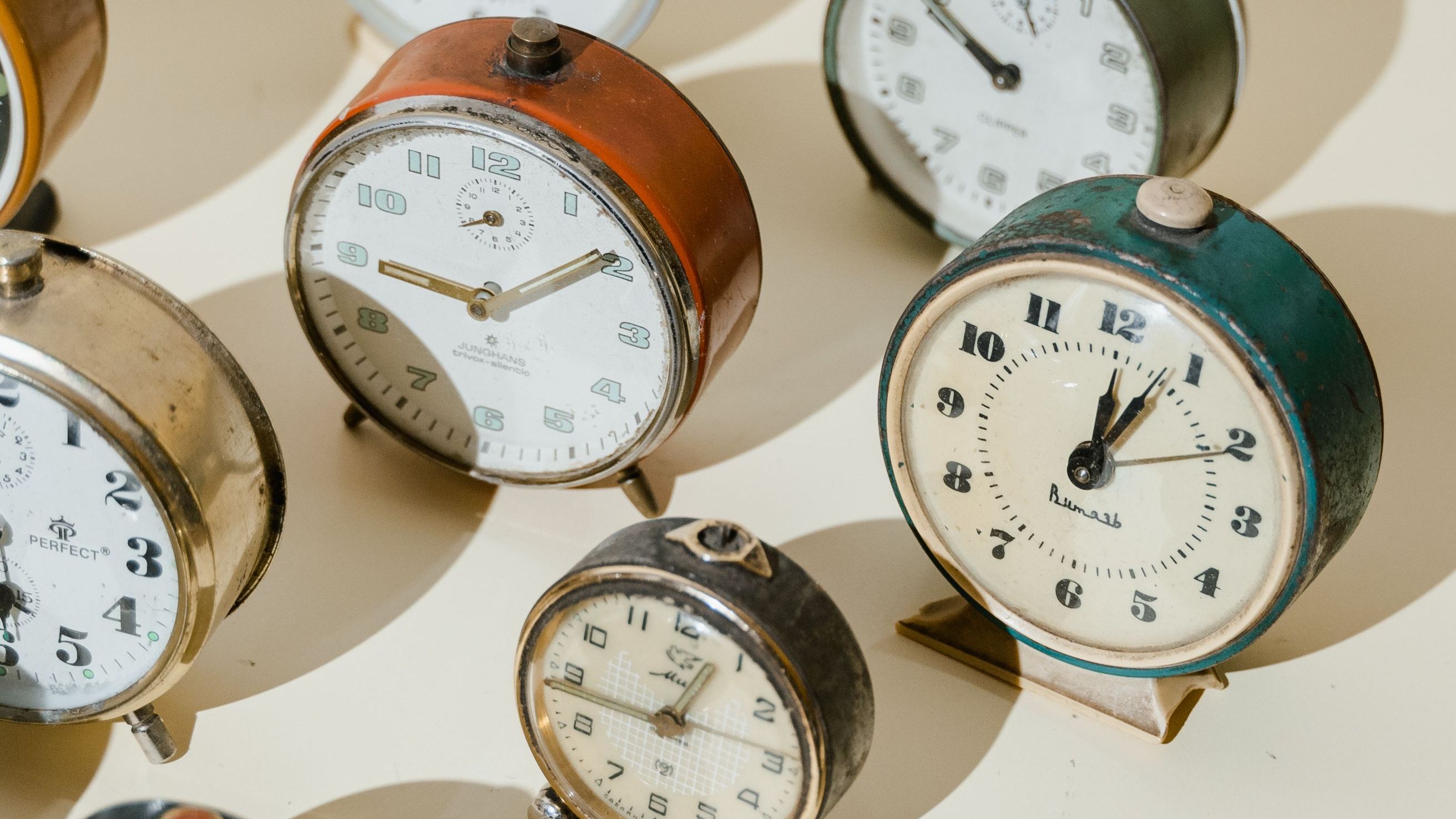
Wasting time is a travesty. Wasting time in a meeting that could have been solved with an email, a read-ahead, or even a single sentence explaining the objective should be a professional sin. Most leaders say they hate meetings, and I agree. But I find the hatred usually isn't directed at the meeting itself. It's directed at the fact that the meeting has no structure, no champion, and no point. Time is something we can never get back. When it's wasted for reasons that were entirely preventable, it takes every ounce of energy to control my eye rolling, blood pressure from rising, and increasing frustration.
Meetings are an incredible tool for collaboration, but they require forethought and planning. When I was the air show director for my Wing, I made personal rules for myself as the champion. First, we maintained a standing meeting schedule so stakeholders could plan accordingly. Second, I published the agenda and due-outs at least one week in advance. Third, if more than two key members couldn't attend or there were no meaningful updates to discuss, the meeting was canceled.
By establishing these parameters, the hour we spent together was highly effective and flew by. People knew what was expected of them before they ever walked into the room. My job was to keep the tempo moving in the right direction and stay disciplined with the agenda. If time allowed, new business was addressed at the end. If the issue only involved a few people, a separate meeting was scheduled. While discussions occasionally took an unexpected turn, my objective never changed: don't waste anyone's time.
One of the biggest mistakes leaders make is using meetings as a substitute for decision-making. A meeting should not exist simply because a leader is uncomfortable making a call. If all the information is available and only one person has the authority to decide, then make the decision and communicate it. Gathering people together to watch someone think out loud is not collaboration; it's inefficiency disguised as leadership.
Another common trap is inviting too many people. Every attendee should have a reason to be there. They should either own a piece of the work, possess information necessary for the discussion, or have decision-making authority. If someone can sit silently through an entire meeting without contributing, there's a good chance they didn't need to be in the room in the first place. Respecting people's calendars is one of the easiest ways to demonstrate respect for the people themselves.
Leaders should also remember that preparation happens before the meeting, not during it. Read-aheads exist for a reason. Status updates can often be shared electronically. Data can be reviewed beforehand. The meeting itself should focus on discussion, problem-solving, decisions, and assigning actions. If attendees are reading slides for the first time while everyone else waits, valuable time is already being wasted.
Perhaps the best measure of a meeting is whether something changes because it occurred. Was a decision made? Was a problem solved? Were responsibilities assigned? Did the team leave with greater clarity than they had when they arrived? If the answer is no, then the meeting was probably unnecessary. Great leaders don't measure success by how many meetings they hold. They measure success by the outcomes those meetings produce.
As organizations grow, meetings become unavoidable. The challenge isn't eliminating them entirely; it's making them worth the investment. Every person around the table is spending something they can never recover: time. Leaders who understand that reality plan better, communicate better, and run better meetings. Everyone else is simply stealing hours from their teams one calendar invite at a time.
Whether you're new to the military or have been in for ten years....
These 10 money tips will help make all the difference in you Living Your Best Military Life!
