
We Didn’t Start the Fire
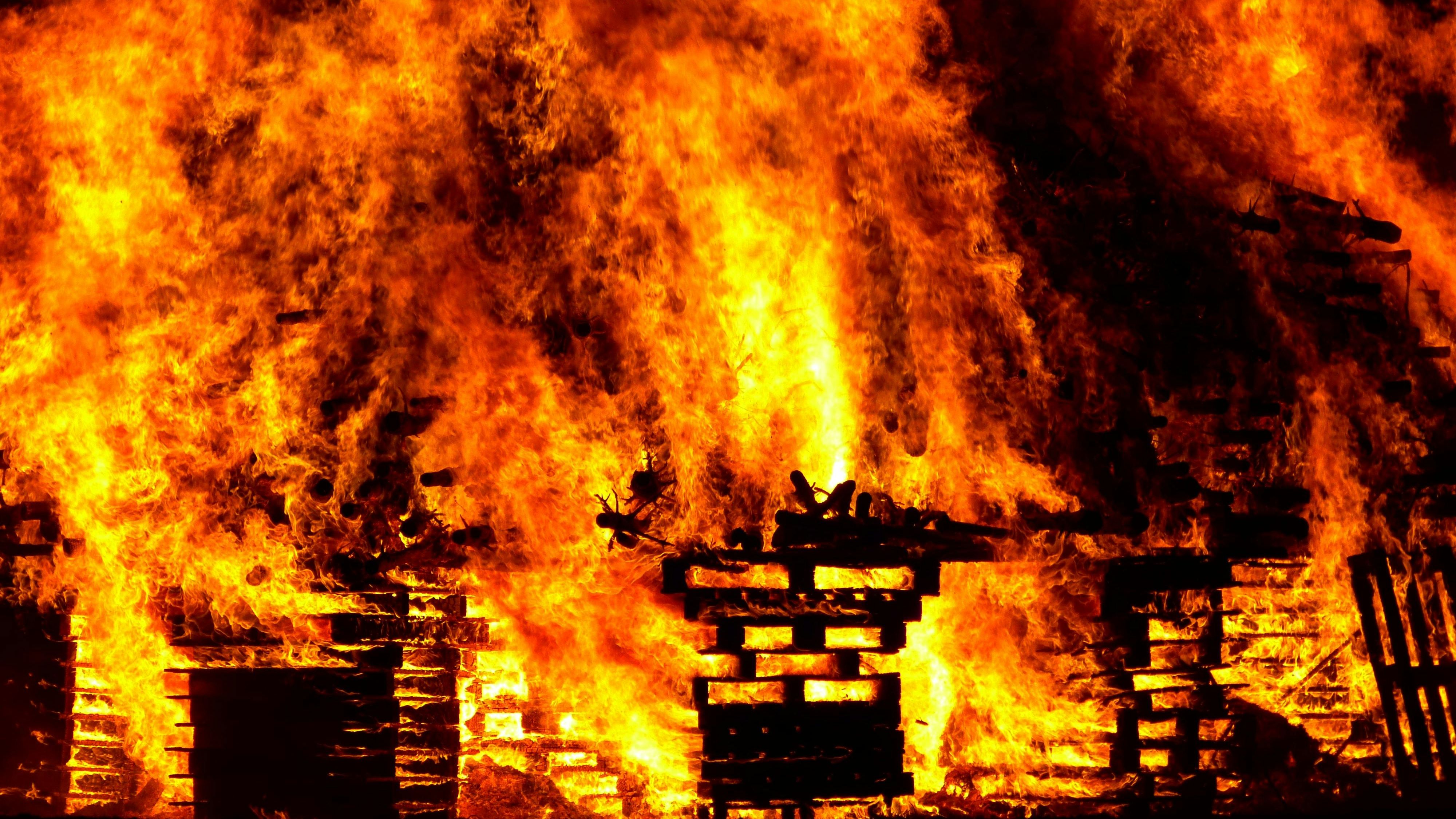
If you’ve spent any time in uniform, you already know this truth: chaos isn’t the exception — it’s the operating environment. Plans change, missions evolve, and every “final” order is one email away from being updated again. The funny thing is, that same rhythm exists far beyond the gates of any base. The U.S. — and the world at large — have been living in a constant cycle of power turnover, innovation, and generational inheritance for centuries. The pattern never ends; it just changes form.
Every era believes it’s the one that finally found stability — until the next power shift hits. After World War II, the U.S. rose from isolationist giant to global superpower while old empires like Britain and France collapsed under the weight of colonial overreach. The world redrew its maps, and the U.S. military redrew its mission — from defending democracy to enforcing it.
But even as power shifts on the global scale, the push and pull are felt at the tactical level in the military every four or eight years. Some leaders want to focus on lethality. Others want to focus on retaining members. Go here, go there, go everywhere! Stop, go, turn around. It’s fine. It’s what we do, but let’s not pretend the thrash is anything new because it’s just proof that every turnover of power brings its own brand of controlled chaos.
Technology has never asked permission before rewriting the rules of war, and I’m not just talking about the Blue Force Tracker I used in my MRAP in Iraq. The Industrial Revolution birthed mechanized armies, turning the horse-and-rifle world into one of tanks, trains, and trench lines. Generals fought 20th-century wars with 19th-century thinking — and paid for it in blood. Fast forward a century, and we’re doing it again. The digital revolution didn’t just change how we fight; it changed who fights. Drones, satellites, and AI now stand shoulder to shoulder with soldiers. Cyberwarriors can disable grids from half a world away. The front line no longer has a front.
Today’s chaos feels different because it’s invisible. It’s algorithmic, instantaneous, and borderless. But if history teaches anything, it’s that chaos is where innovation thrives — and where those who adapt fastest survive longest. It is the human mind, intuition, and ability to weigh risk versus reward that allows our military to capitalize on the innovative advancements borne out of necessity. From Vietnam to Iraq to Afghanistan, the lessons echo: strategy must evolve faster than the battlefield does. Every new war is a seminar in humility and adaptation.
Now, Gen Z service members are stepping into the chaos. They’re digital natives operating in an analog bureaucracy — balancing drones, data, and deployment while navigating social media and mental health in real time. They aren’t escaping the chaos; they’re inheriting it, mastering it, and redefining it. The world isn’t “falling apart.” It’s doing what it’s always done: shifting, innovating, inheriting, and rebuilding. Every fallen empire, every new technology, every generational handoff — all of it feeds the same cycle.
From the outside, it looks unstable. But for anyone who’s served, it looks familiar. Because in the military, you learn fast that chaos isn’t the enemy. It’s the environment you train to operate in — and, if you’re deliberate about it, it’s where you grow strongest. When in doubt about where we came from, at least from the past fifty years, just listen to Billy Joel’s song for a little reminder. We don’t always make the problems or opportunities, but we do need to deal with them hoping to pass an improved problem, or at least a different one, onto the next generation. The cycle will never end so long we are continually striving for excellence and freedom.
Whether you're new to the military or have been in for ten years....
These 10 money tips will help make all the difference in you Living Your Best Military Life!
