
TSP Real Talk (Part 2)
This is part of a 3 blog series on TSP. If you want to be notified when the next related blogs post, sign-up here: Deliberate Military Experience Blog sign up
Even though the TSP tries to empower you to make an informed decision on whether or not to establish a traditional vs Roth account, things get further complicated when trying to figure out what fund to put your money in. If you’re in the Blended Retirement System (BRS), there is a lot to manage: Matching vs your contributions, traditional vs Roth, Individual TSP funds (G, F, C, S, I) vs Lifecycle, or any combination of the above (note: there’s another ‘mutual fund’ option, but we’re ignoring that for now as you need $10k and meet other requirements). A traditional account lets you contribute more now and defers taxes on those contributions made, but the real winner (and IMO the only option any military member should make) is by establishing a Roth account. Even Dave Ramsey and Suze Orman agree with me!
Disclaimer: I’m not a financial expert. I’m just an avid researcher and user of said recommendations. Maybe I’ll convince you, but of course, when in doubt, seek real professional advice.
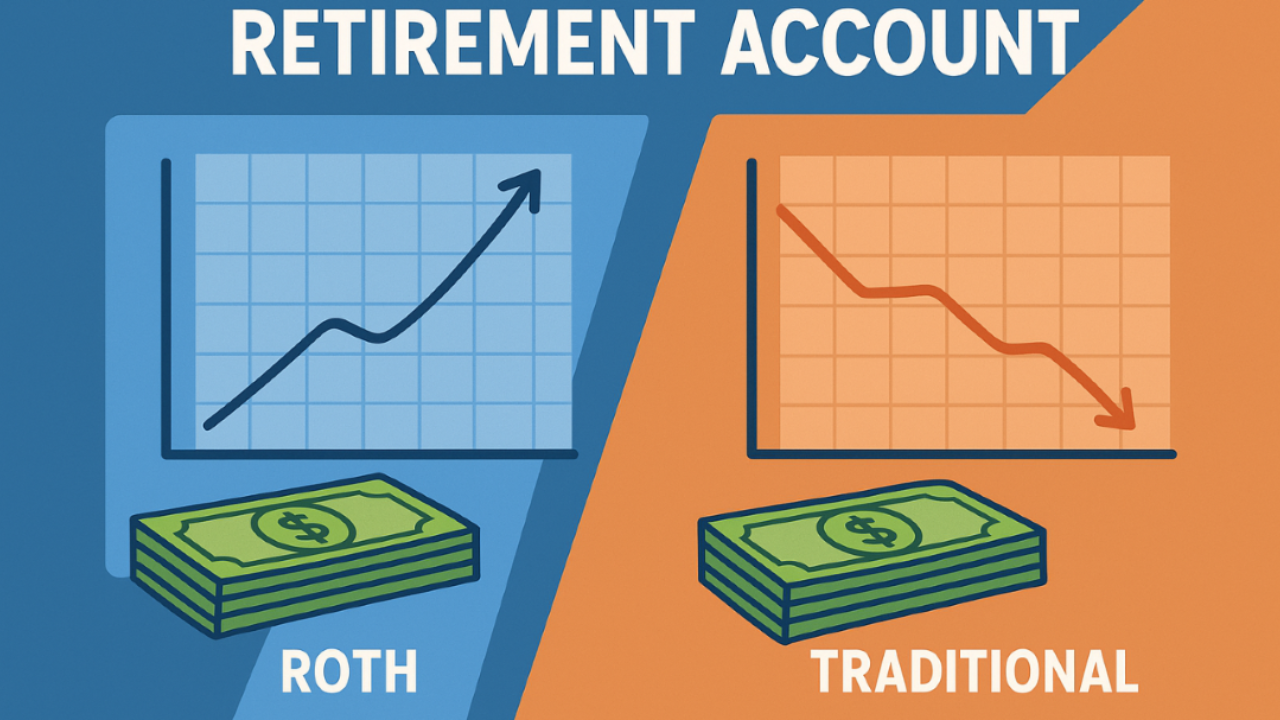
Roth accounts can’t be beat. Whether that’s through TSP or an individual retirement account (IRA). Here’s the down and dirty comparison between Roth and traditional accounts.
|
Feature |
Traditional |
Roth |
|
Contributions |
Made pre-tax |
Made after-tax |
|
Withdrawals in Retirement |
Taxed as ordinary income |
Tax-free (if qualified) |
|
Immediate Tax Benefit |
Yes (lowers taxable income now) |
No (you pay tax now) |
|
Best For |
Those who expect to be in a lower tax bracket in retirement |
Those who expect to be in a higher tax bracket later |
There are just a few features of each account option. But the key reasons why I feel Roth is just the way to go are 3-fold.
- As noted, the money you withdraw at retirement is tax-free no matter how much you have or make. By going Roth, you avoid having to worry about Uncle Sam taking his cut in your old age. Sure, you pay a few bucks now, but you can always make more (I mean, I presume you’re likely well under the retirement age and you’re able-bodied). When you’re old and crusty, that might be harder for you to do. And who knows what the future tax rate will be in 20, 30, or 40 years from now. My Magic 8 Ball says, “Outlook doesn’t look promising!”
- No required minimum distributions (RMD)! RMDs are basically the government’s way of telling you when you must start taking out your money because they want their taxes! With a Roth account, you can withdraw whenever you like without taxes or penalties - on your terms (so long as you are over the age of 59 ½ and your account is at least 5 years old).
- If you die and your Roth goes to your kids, they don’t have to worry about paying taxes (as long as the original account was opened for at least five years).
- (I lied…there is a 4th reason) If you’re in a combat zone and making tax-free income, putting money in the Roth TSP means it’s never taxed - ever!
Some people poo-poo Roth because there are some special stipulations to pay attention to. The first hang-up is if your modified adjusted gross income (MAGI) is more than $165,000 (filing single; and $246,000 if married) in 2025, you can’t DIRECTLY contribute. This barrier applies to a sliver of the military….like O-6s with over 20 years of service. Remember, this amount isn’t what your pay check looks like; it’s gross income plus adding back original deductions, like tax-exempt interest, non-taxable Social Security benefits, excluded foreign earned income and housing, deductible IRA contributions, and student loan interest deductions. MAGI doesn’t account for BAH, which for some, gives the illusion that you make $165,000, but not really.
The second beef some people have is that there is a cap as to how much can be added to a Roth account. As of 2025, the maximum amount is $7,000 per year. Although this is actually achievable, I very rarely meet anyone who dutifully makes the necessary contributions to reach the cap. Those contributing 5% of their base pay, say for an O-3 with 10 years of service, are only adding about $4,841 a year. And even if someone is maxing out, then go for a traditional account afterward where the max contribution limit is $23,500 (in 2025, under the age of 50). And then, even then, there is a way to convert that traditional money to a Roth. More on that in the third part of TSP Real Talk.
If you want to read more on TSP as of 2025, check out the link here: https://www.tsp.gov/publications/tspbk08.pdf
Whether you're new to the military or have been in for ten years....
These 10 money tips will help make all the difference in you Living Your Best Military Life!
