
Significance of Military Traditions
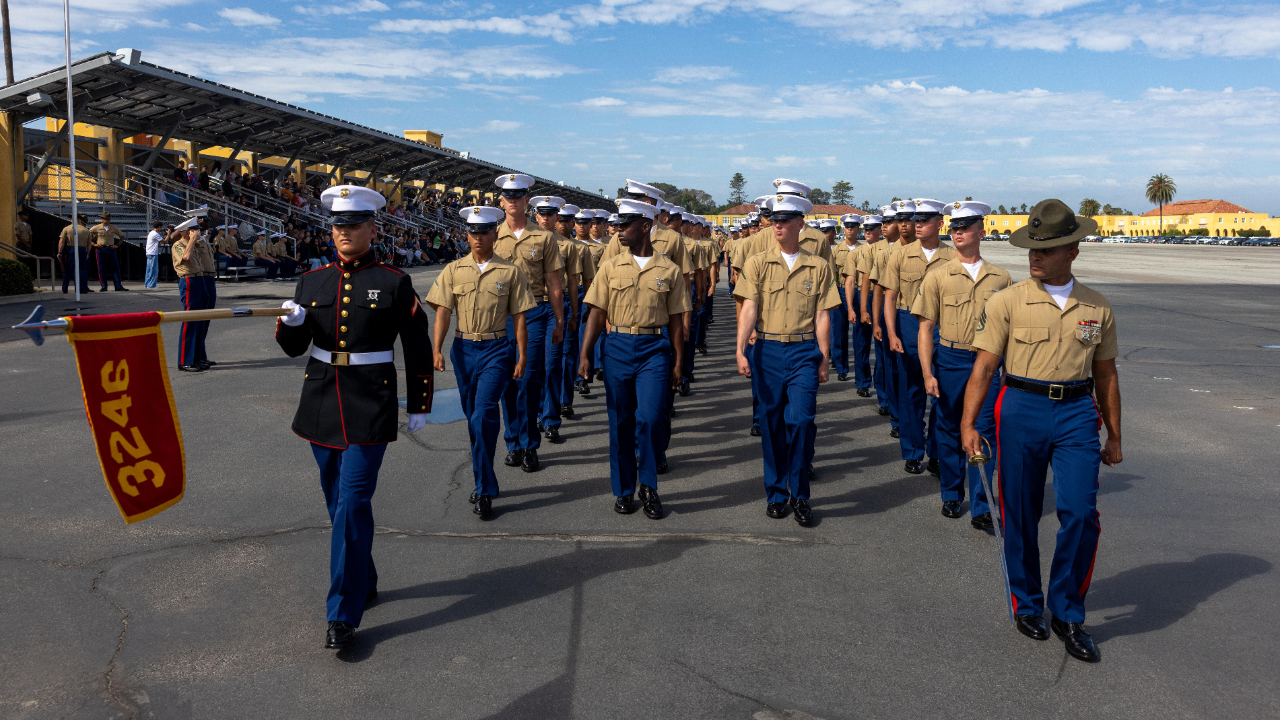
From the way we march to the names of military installations, the military is deeply rooted in tradition. Since our nation’s founding, these time-tested practices have been used to build teamwork, reinforce purpose, and create a strong sense of belonging.
I still remember singing the Dog-Faced Soldier Song every morning before PT while stationed at Ft. Stewart, Georgia. In basic training, call-and-response echoed through formations, and greetings were exchanged with precision and pride. Annual balls gave us the chance to wear our awards proudly and take part in traditions like the grog bowl. Even our aircraft carry symbolic designs that serve as a kind of battle cry. Tradition is everywhere and it’s something to be respected. While civilian organizations often rebrand to stay relevant, the military stays grounded by honoring its past.
Tradition in the military isn’t just about nostalgia; it’s a living, breathing framework that shapes how we operate every single day. Those small, repeated actions, whether it’s standing at attention, reciting a creed, or following a decades-old ceremony, create a rhythm that ties individuals to something much bigger than themselves. In an environment where uncertainty is constant, tradition provides stability. It reminds service members that no matter where they are or what mission they’re facing, they’re part of a lineage of people who have stood in those same boots before.
What makes these traditions powerful is how they quietly build trust and cohesion. You don’t need a long speech to feel connected when you’re marching in step with your unit or responding in unison during a formation. Those shared experiences create an unspoken bond. It’s the understanding that everyone around you has gone through the same process, learned the same standards, and carries the same expectations. That consistency is what allows teams to function effectively under pressure. It’s built long before the pressure ever shows up.
Tradition also reinforces identity. In a world where people are constantly redefining themselves, the military offers something steady and enduring. Unit patches, mottos, songs, and ceremonies all serve as reminders of who you are and what you represent. They connect current service members to those who came before them, preserving lessons, sacrifices, and victories that might otherwise be forgotten. That sense of identity isn’t just symbolic—it directly impacts pride, discipline, and the way service members carry themselves both in and out of uniform.
There’s also something to be said about how tradition honors the past while preparing us for the future. The military doesn’t hold onto these practices just for the sake of it. They’ve been tested over time and proven to work. Whether it’s building discipline, reinforcing standards, or strengthening morale, these traditions exist because they add value. They serve as a constant reminder that while technology and tactics evolve, the core principles of teamwork, accountability, and resilience remain unchanged.
In the end, tradition is one of the military’s greatest leadership tools. It teaches without needing explanation and unites without needing permission. It’s what turns a group of individuals into a team and a team into a force that can accomplish the mission. And while it may seem simple on the surface, its impact runs deep, shaping not just how service members perform, but how they think, lead, and carry the experience with them long after their service ends.
Whether you're new to the military or have been in for ten years....
These 10 money tips will help make all the difference in you Living Your Best Military Life!
