
Postpartum Experiences
The military is full of change. Rarely are two days ever the same. There are three states in which the military often finds itself: gearing up for major change, recovering from a major change, or managing the current state of ongoing thrash. There are high-highs and low-lows. And although military service members eventually become accustomed to the push and pull of politics, society, and the general state of the world, how members deal with those major events can take a considerable toll on the emotional, psychological, and even physical states of being, akin to giving birth to a child. There are months and months of hype before having a baby. There’s even a party to celebrate the pre-birth (aka baby shower). People dote upon expecting mothers. Mothers marvel and dream about the life growing inside them. Family members are on edge as the mother goes into labor. Laboring women are surrounded by a team of professionals, ensuring careful healthcare is delivered in hospitals. Food is delivered. Vitals are taken. The newborn arrives and there are people available to help. And then the mother goes home with her baby. And soon thereafter, she is alone with her thoughts. With any luck, a solid partner is nearby and maybe even her own mother. But all the people who were there to help, support, and nurture a major life changing event are gone. The emotions that rush through her veins are not exclusive to new mothers. In the military (and in life), these same feelings are often presented following major events.
One of the times I’ve experienced and observed this feeling from others is following deployment. Anyone who has personally deployed might recall watching the mandatory training video after returning from war about a guy returning home from deployment sitting with his young kid, looking detached and not present. The wife in the video gets all mad because her husband isn’t helping around the house and playing with his kid. I empathize with this video, because the feelings portrayed are so true. After months of training for a life or death event, the soldier goes to war. Going to a warzone is something difficult to explain to those who have not. It’s not just about being “in war.” It’s all the months of training beforehand where one’s psyche is primed to do very specific tasks. It’s months of being on edge, carefully listening for alert sirens to ring across the FOB in the middle of the night. It’s holding the hand of someone dying on a stretcher. These sorts of events imprint great markers on one’s mind. The mandatory videos military members must watch seem nearly moot with the amount of training that is done. More effort should be made to educate family and friends on what to look out for and how they can help, just as there are postpartum depression classes for new mothers and fathers.
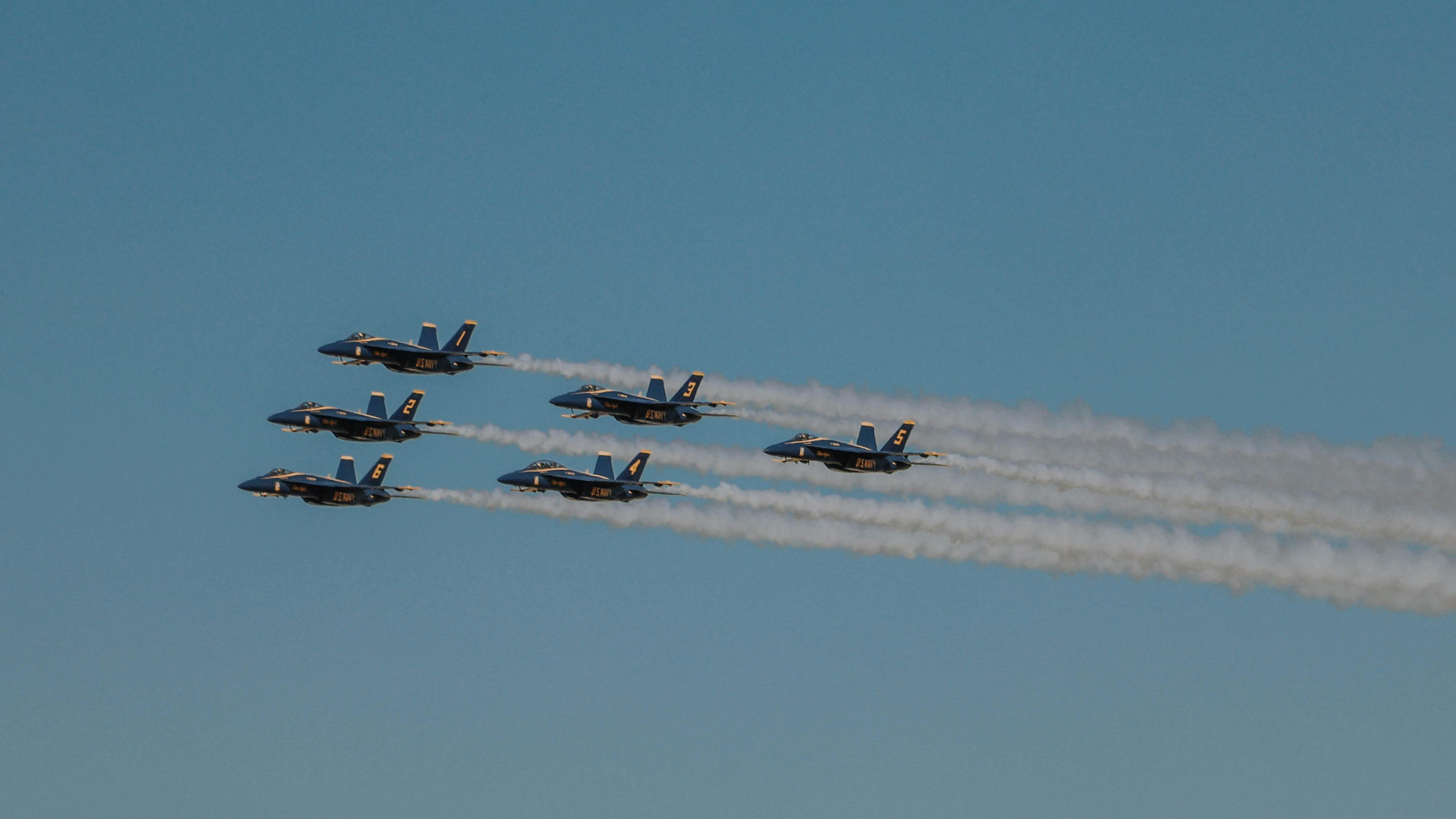
I recently experienced these similar feelings, albeit not nearly consequentially related to newborns or war. It was related to air shows. Yup…air shows. Somehow, I was blessed with the opportunity to serve as our base’s air show director for not one, but two iterations within a four-year period. For those not versed in the air show planning process, it is a unique and lengthy project that runs about 18 months. As the director, I had to vie for resources, build a team and get buy-in from people who were much too busy to actually be helping me, and communicate with a variety of external agencies, each of whom had their own angle and requirements. All the while, I had to wrestle with the state of the weather and current political scene. Serving as the air show director was not something I had on my career map as I’m not a pilot, but there I was, performing tasks that were not something I was specifically trained to do. Even the Air Force Instructions states that air shows are “non-standard operations.” They should have stated that twice, because it totally was non-standard. Additionally, the instruction should state that air show directors have the propensity to experience a slew of feelings throughout and after the execution of the air show. About a month before the air show (both times), I experienced what I called “airshow nightmares.” I woke up in the middle of the night due to the never-ending list of to-do items that accumulated in my mind. As a somewhat heavy sleeper, this was alarming. And bonus, throughout and after the airshows, I cried (only for a few minutes at a time, but still very unusual for me). I don’t consider myself a crier, but I cried almost every night (maybe only momentarily, but odd). I felt like I could have done more to make each day better. At the end of the events, I cried even more. After days of working and fretting and maneuvering at high speeds, I was done. There was nothing left to do. While the rest of the Wing celebrated a great event, I felt lost. I had just spent every waking hour worrying and anticipating the next event to extreme lengths and in an instant, those worries disappeared. I was left with nothing to worry about, but the adrenaline remained. The only way to expel my fight-or-flight angst was to cry it out while a cloud of gloom lingered over my head for two weeks.
I know I’m not alone in experiencing this state of loss, grief, and depression. Michael Phelps, the 23-time gold Olympic swimmer, has been quite vocal about his post-Olympic depression. After years of working tirelessly to prove his elite swimming status time and again, he was left without purpose upon his retirement. I get it. It is difficult to find and regain purpose on the heels of accomplishing something so great, like giving birth, deploying to a war zone, or even planning an air show. No matter the scale of event or accomplishment, the feeling of loss due to letting something go is real. Surrounding yourself with support who can recognize what a healthy you look like is pivotal to you, and me, finding new purpose and fulfillment.
Whether you're new to the military or have been in for ten years....
These 10 money tips will help make all the difference in you Living Your Best Military Life!
