
Paid Maternity Leave Like No Other
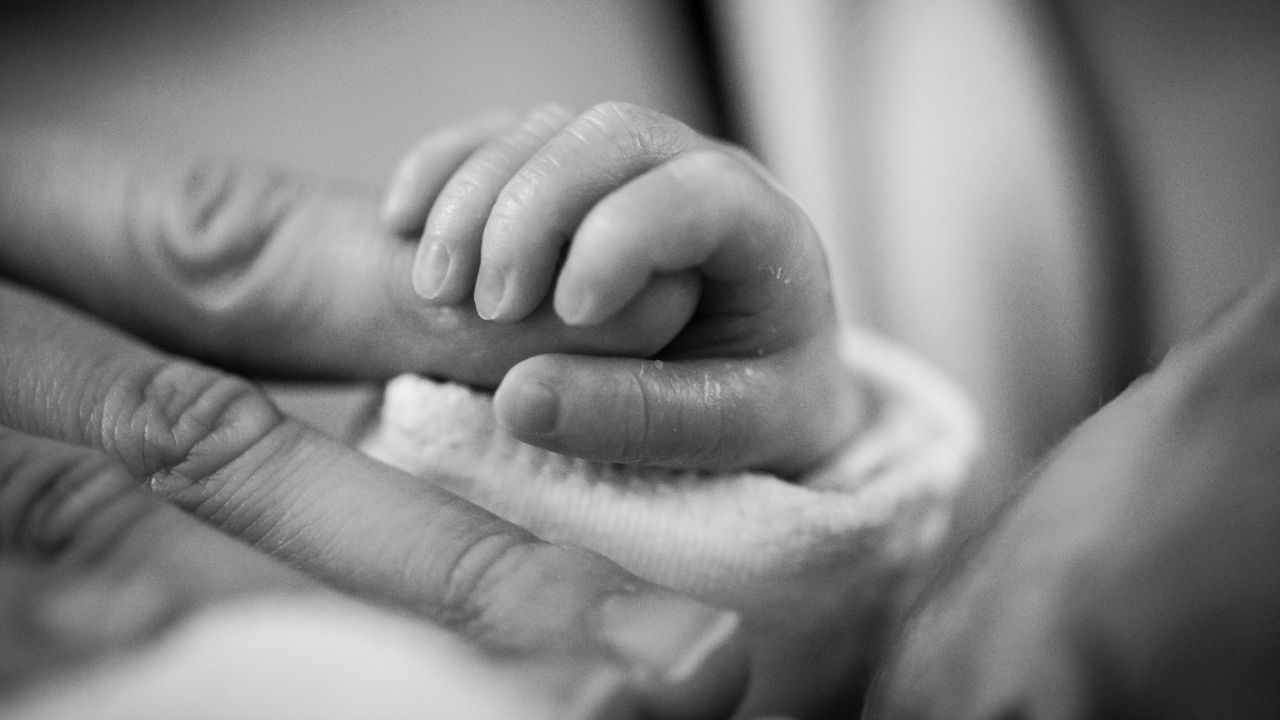
I know no one joins the military because of the paid time off to have children—but it’s an incredible benefit, and one that’s still surprisingly rare in the civilian world. Over the past two decades, I’ve personally watched (and benefited from) how military parental leave policies have evolved. Even better, those benefits now extend meaningfully to fathers as well. That’s a genuine win for active-duty families.
In 2012, I was scheduled to have my first daughter via C-section. She was large and breech (upside down), and I was granted seven weeks of 100% paid leave. The standard was six weeks at the time, but due to the additional procedure, my physician recommended an extra week for recovery.
In 2014, I had my second daughter via VBAC (vaginal birth after cesarean) and received six weeks of paid leave. By the time my third daughter was born in 2016, military policy had expanded and my growing family benefited from twelve full weeks at home together.
At no point did I have to file for temporary disability, hoard leave like a squirrel preparing for winter, or make the gut-wrenching decision to return to work before I was physically or emotionally ready just to pay the bills.
As a country, the United States does a poor job of supporting new mothers. For most civilian employees, the only real protection comes from the Family and Medical Leave Act (FMLA), which simply guarantees you won’t be fired for taking up to twelve weeks of leave after the birth of a child—paid or unpaid. And even that comes with caveats: a minimum length of employment and a minimum company size are required to qualify.
In 2022, the military took a major step forward by recognizing the importance of fathers and acknowledging that mothers aren’t the only ones who become new parents. The policy was updated and renamed the Military Parental Leave Program. Under this program, service members—men and women—are now entitled to twelve weeks of non-chargeable leave following the birth, adoption, or fostering of a child.
Having experienced the luxury of my spouse being home during those early postpartum months, I can’t imagine the stress and anxiety of being left alone with a newborn while still recovering physically. Under the old policy, when I first joined the military, fathers often returned to work just one week after delivery of their new son or daughter. That reality alone should underscore how impactful this policy change has been for military families.
Some non-military employers do offer competitive parental leave benefits, but I’m curious how many also cover the entire cost of pregnancy, delivery, and postpartum care. Because that’s exactly what the military did for me while I was on active duty. To this day, I have absolutely no idea how much it really costs to have a child.
My first pregnancy and delivery were handled entirely at a military hospital. My second and third pregnancies were referred out to civilian providers, and I delivered at local hospitals. In all cases, I never received a single bill.
According to Forbes, the cost of having a baby in the United States can range from $18,000 to $26,000—before out-of-pocket expenses like deductibles and co-pays are factored in. That number is staggering, yet it’s the reality for many families.
The military isn’t perfect—far from it—but credit is due where it’s earned. I’ve had the rare experience of completing my entire pregnancy journey without financial stress, with access to excellent healthcare, and with uninterrupted time to bond with my babies. I never had to wonder if money would show up in my bank account while I focused on healing and motherhood.
I truly wish every mother had the opportunity to experience that same level of support.
Whether you're new to the military or have been in for ten years....
These 10 money tips will help make all the difference in you Living Your Best Military Life!
