
Everyday Military Project Manager
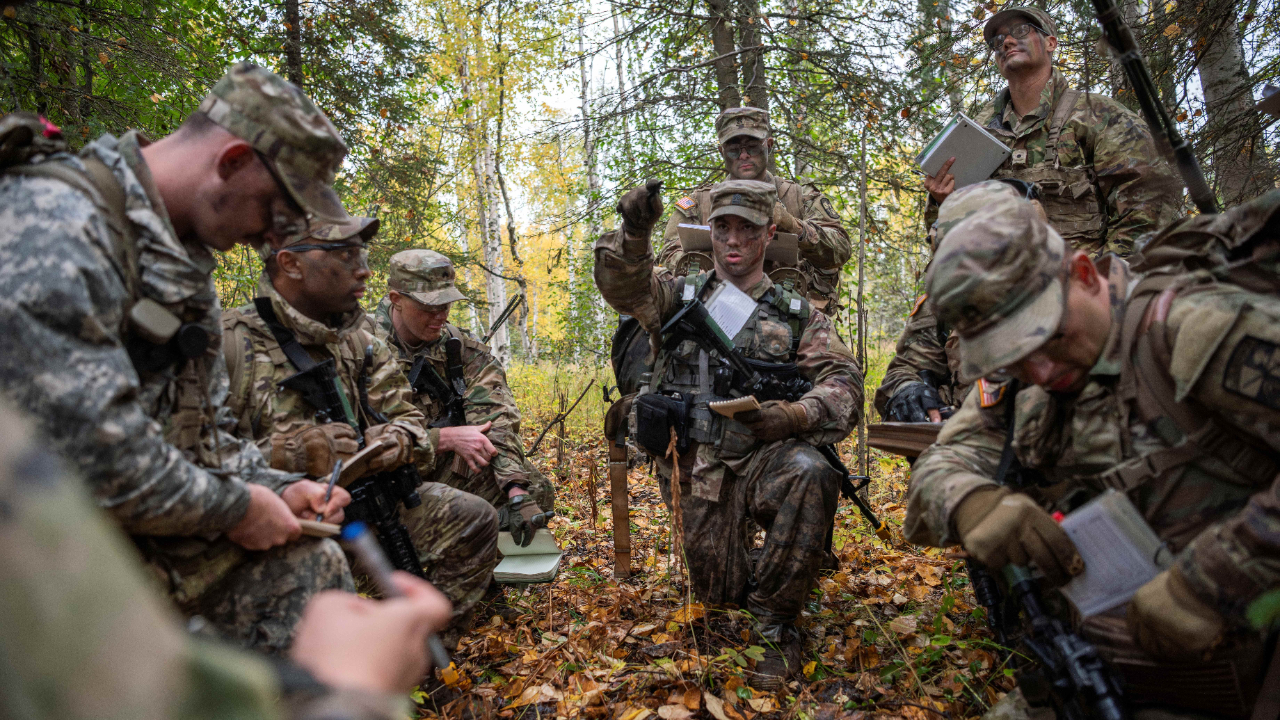
In my opinion, every retiring officer and NCO should be able to walk away from the military with a Project Management Professional (PMP) certification in their hands. In addition to running daily operations (which are not projects), military leaders organize, coordinate, and supervise countless projects throughout their careers. According to the Project Management Institute, a project is a temporary effort undertaken to create a unique product, service, or result. In other words, it has a defined beginning and end. When you look at it that way, project management makes up a significant portion of military leadership.
When I talk to service members during their transition to civilian life, I often find that they discount their project management experience. That's a missed opportunity. From preparing for, executing, and recovering from deployments, to fielding new equipment, implementing software systems, standing up new units, conducting major training exercises, and managing facility improvements, military leaders routinely oversee projects with budgets, timelines, stakeholders, risks, and measurable outcomes. Many of these efforts would be recognized immediately as project management in the private sector.
The challenge is that military experience is often described using military language. As fewer Americans serve in uniform, fewer civilian employers understand what terms like OIC, deployment manager, readiness coordinator, or operations NCO actually mean. A PMP certification helps bridge that gap. It translates military leadership experience into a credential that hiring managers, recruiters, and executives instantly recognize and understand.
The reality is that most military leaders have already been acting as project managers for years. Consider a unit deployment. Personnel must be identified and trained. Equipment must be inspected and transported. Timelines must be coordinated with multiple organizations. Risks must be mitigated. Resources must be tracked. Throughout the process, leaders communicate with stakeholders, solve problems, manage competing priorities, and ensure mission success. That sounds a lot like project management because it is project management.
The same principle applies to nearly every level of military leadership. A platoon leader organizing a major training exercise, a first sergeant coordinating a barracks renovation, a commander implementing a new personnel system, or a staff NCO leading a modernization initiative are all managing projects. The scale may differ, but the fundamental skills remain the same: planning, execution, resource management, communication, and risk mitigation.
One reason service members fail to receive credit for these accomplishments is that they don't document them properly. Instead of saying they "supported an exercise," they should explain that they planned and executed a training event involving 500 personnel, coordinated resources across multiple organizations, managed a six-month timeline, and delivered the project on schedule. Numbers matter. Scope matters. Results matter. The more leaders quantify their accomplishments, the easier it becomes for civilian employers to understand the value they bring.
For those interested in earning the PMP, the path is often more straightforward than they realize. First, document your project management experience throughout your military career. Next, complete the required project management education hours, which can often be funded through military education benefits such as Credentialing Assistance. Then submit an application through the Project Management Institute, prepare for the exam, and pass the certification test. While the process requires effort, most senior NCOs and officers already possess much of the experience necessary to meet the eligibility requirements.
The PMP is not just another certification to hang on the wall. It is a translator. It helps convert years of military leadership and project execution into a language that civilian employers understand. For service members preparing to transition, it can provide credibility, confidence, and a competitive advantage in the job market. Considering how many projects military leaders manage throughout their careers, it is a credential that many have already earned in practice long before they ever sit for the exam.
Check out this video to learn more! How Military Experience Counts Towards PMP
Whether you're new to the military or have been in for ten years....
These 10 money tips will help make all the difference in you Living Your Best Military Life!
