
DoW Recommendation to Real Readiness Improvement
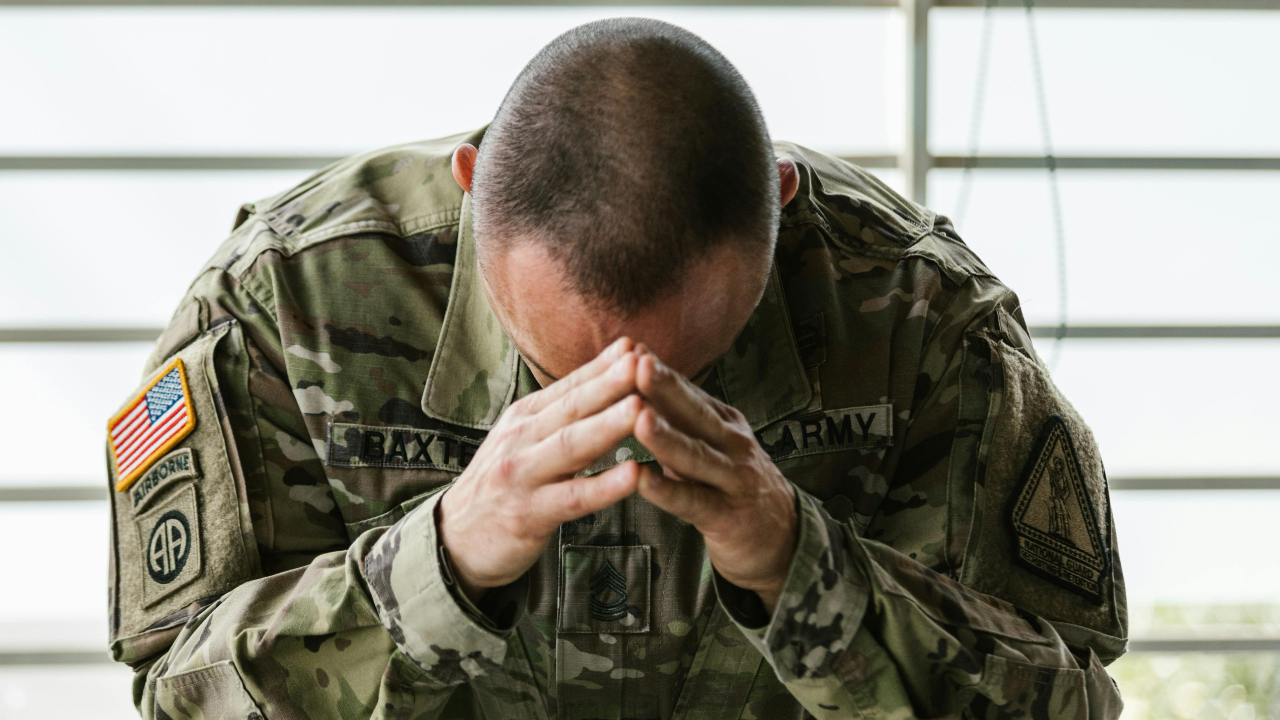
“Readiness” is a buzzword heard across every branch of the U.S. military. As the nation’s ultimate line of defense, service members are expected to be fit, trained, and ready to serve at the will of the President—or, for the National Guard, their governor. In practice, readiness is measured through weapons qualification, job proficiency, and a growing list of administrative requirements.
But readiness, by definition, is the state of being fully prepared. Prepared for what, exactly?
The military demands extraordinary sacrifice from its people, yet the areas in which it trains them are rarely the ones that most often remove them from the fight. As a two-time commander who has served in both the Army and the Air Force, across active-duty and Guard statuses, I have seen a consistent, intersecting trifecta of issues that degrade readiness more reliably than any failed inspection: relationships, money, and medical readiness. These are not edge cases—they are systemic. And they are largely ignored.
For many service members, joining the military marks the first time they leave home, receive a steady paycheck, and live without concern for food or health insurance. On paper, it looks like freedom. In reality, it is a dangerous combination of independence without education. No one is deliberately teaching these newly free adults how to choose a spouse, manage money, or navigate a complex medical system—despite the fact that failures in any one of these areas can derail a career, a family, or a unit’s combat effectiveness.
Relationships: The Silent Readiness Killer
The military does not teach service members how to select a spouse, maintain a healthy relationship, or raise children under the strain of military life—yet relationship failure is one of the most common reasons members become distracted, financially strained, emotionally depleted, or non-deployable. Divorce, custody battles, domestic issues, and unstable home lives pull focus from training and operations long before a unit ever reaches the battlefield.
Healthy relationships are not a “nice-to-have”; they are a force multiplier. A service member who trusts their partner, has a stable home, and understands how to communicate under stress is more likely to deploy focused, recover faster, and remain in the fight. Ignoring relationship education does not make these issues disappear—it simply forces leaders to manage the fallout later.
Money: Financial Stress Is Operational Stress
Despite predictable pay, benefits, and retirement systems, many service members live paycheck to paycheck. The military rarely teaches basic budgeting, how to avoid lifestyle creep with each promotion or PCS, or how to plan long-term for retirement. The result is financial stress that bleeds directly into operational readiness.
Debt, poor credit, and financial emergencies are not personal problems—they are command problems. They affect security clearances, retention, mental health, and decision-making under pressure. A service member worried about repossession, divorce-related debt, or how to feed their family is not fully present in training or combat. Financial literacy should be treated as seriously as weapons maintenance—because both directly impact mission success.
Medical Readiness: More Than Check-the-Box Health
The military excels at treating acute injuries but does little to educate members on how to manage their bodies over a career—or how to advocate for themselves and their families within a complex medical system. Service members are rarely taught how to track symptoms, maintain records, ask the right questions, or prepare for life after service when documentation becomes everything.
Poor medical advocacy leads to misdiagnoses, delayed care, preventable chronic conditions, and ultimately, lost readiness. It also creates long-term consequences for veterans seeking care or benefits after service. Teaching members how to understand their bodies, maintain records, and engage proactively with medical providers would prevent countless issues that remove people from the fight permanently.
Why These Three Areas Intersect
Relationships, money, and medical readiness do not exist in silos. Financial strain worsens marital stress. Medical issues create financial burdens. Family instability impacts mental and physical health. When one area breaks down, the others quickly follow. This is why these three domains form a readiness trifecta—and why ignoring them is so costly.
The military often treats these issues as “personal,” yet the consequences always surface professionally. Leaders are left managing crises that could have been prevented through deliberate education early in a service member’s career.
I have seen more warriors unable to fully serve their country and state due to this trifecta of issues over any lapsed CBRN mask fitting, missed weapons or tactics training, or inability to do thirty push-ups.
If the military truly values readiness, it must expand its definition beyond weapons, fitness tests, and administrative compliance. Preparing service members for war also means preparing them for life—the kind that continues before, during, and after combat.
Teaching relationship skills, financial literacy, and medical self-advocacy would not weaken the force or coddle it. It would strengthen it. A force that is stable at home, secure financially, and medically informed is a force that is harder to break, quicker to recover, and more lethal when it matters most.
Whether you're new to the military or have been in for ten years....
These 10 money tips will help make all the difference in you Living Your Best Military Life!
